

Short Note: Polyurethane
Yet another PFAS poses issues to the Biosphere

Polyurethane is that wondrous substance that many comfortable seat cushions are comprised of. While it is perhaps one of the most flammable consumer substances, polyurethane is a major contributor to PFAS pollution. Much like many of its plastic cousins, it is found nearly everywhere. Moreover, polyurethane particulates are also found in human bloodstreams in the same way that micro- and nanoplastics are found in human bloodstreams. While scientists have acknowledged the existence of PFAS particulates for at least 15 to 20 years, although quietly, the chemical industry continues to manufacture PFAS forerunners by the ton. Polyurethane, one of the forerunners, is a component of seat cushions, insulation, and packaging components. Moreover, polyurethane production has risen in recent years and is projected to rise by millions of tons. However, some scientists have taken the bull by the horns and are attempting to address polyurethane pollution. Their goals are to find ways to recycle, dispose of, or upcycle polyurethane waste before it becomes a further environmental problem.
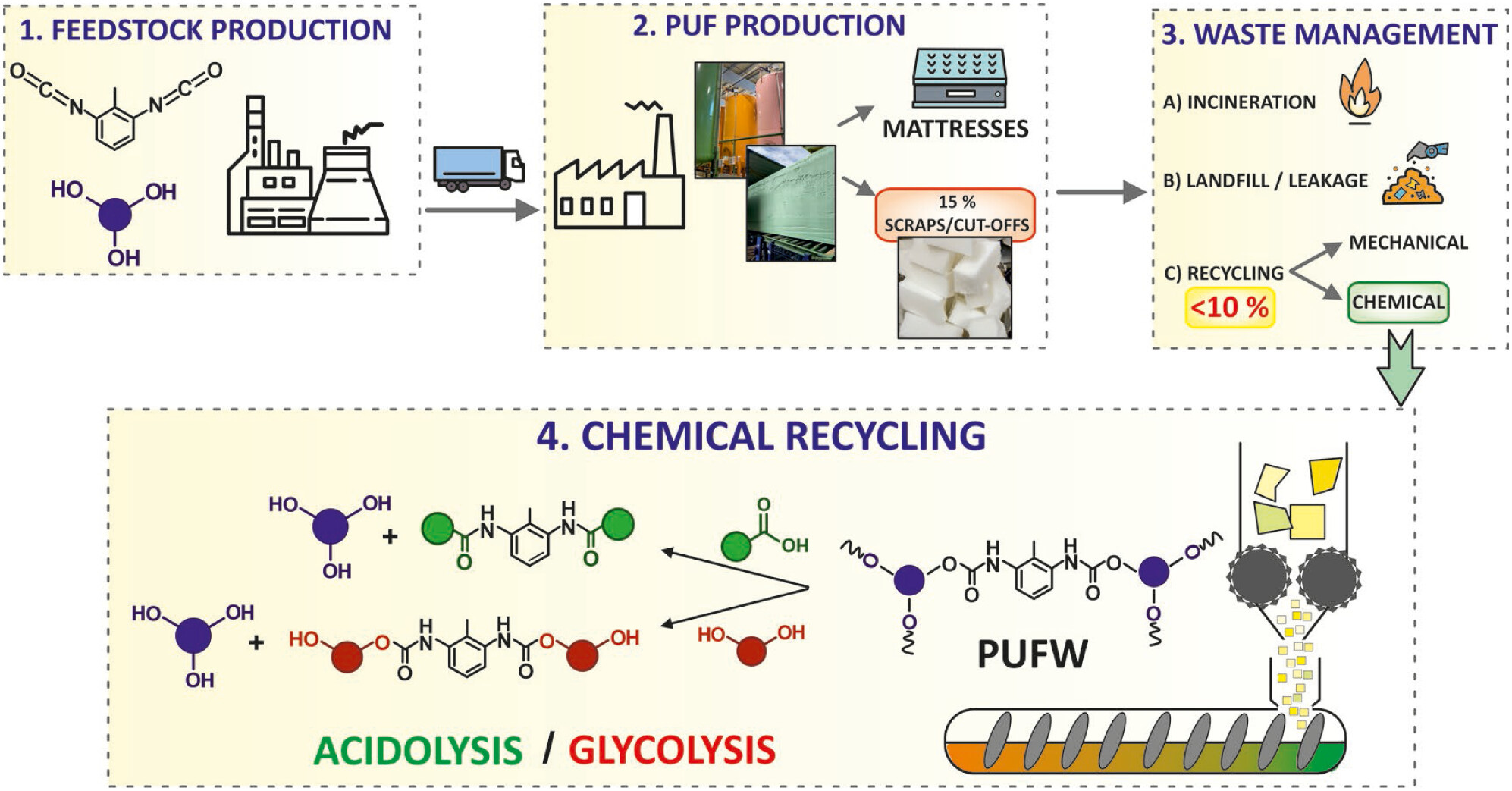
One group of scientists from Spain has recently published their findings in the American Chemical Society journal, ACS Sustainable Chemistry and Engineering. They detail how polyurethane might be disposed of sustainably. Namely, the recycling and upcycling of polyurethane may be achieved by the decomposition of the polymer into reusable chemical stock: breaking down the large chunks of polyurethane foam into its original components (also called starting materials). Polyurethane is one large molecule comprised of many single urethane components (along with other starting components). The major hindrance to the breakdown of polyurethane is ensuring that the recycled polyurethane is free of contamination from other chemicals (e.g., non-component plastics).
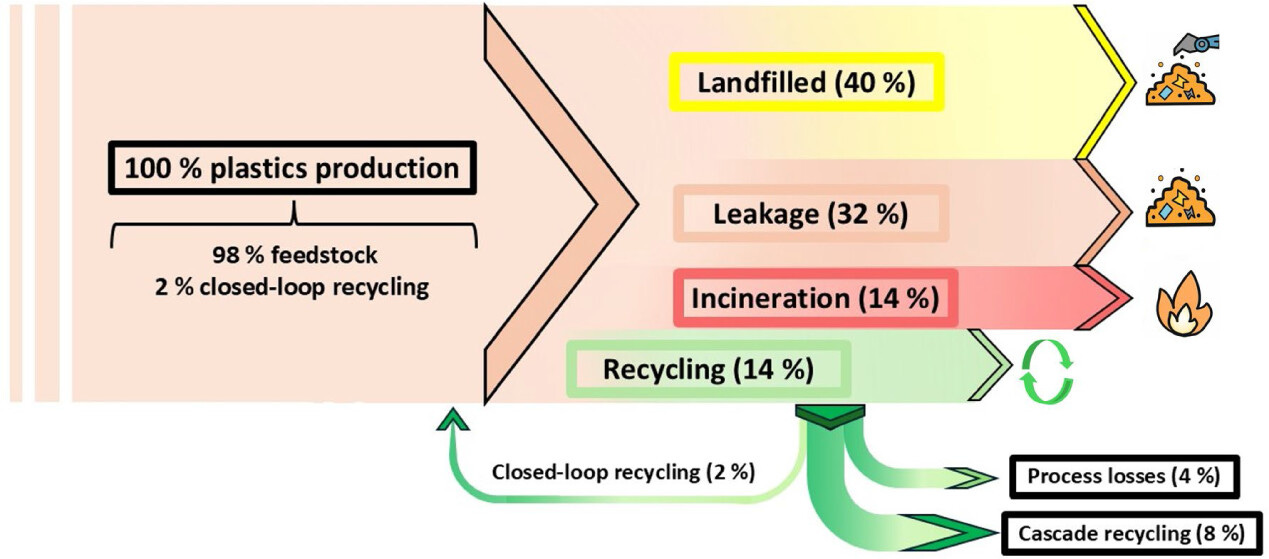
As the authors detail in their manuscript, the goals for plastic recycling and upcycling, set by the United Nations, have yet to be met. The majority of all polyurethane waste and plastic waste (in general) is not recycled responsibly. Moreover, only 14 percent of plastic (overall) finds its way to responsible recycling and the number for polyurethane is even less. Much more tellingly, more than 70 percent of plastic waste contaminates the biosphere. This is a huge problem.
As the USA continues to dodge the issues behind chemical waste, another day of reckoning is around the corner. Once the regime is deposed, we will have our hands full. Whether the USA will be up for the challenge will hinge on the upcoming midterm elections. Many progressive politicians are spending a lot of their time addressing the evils of the regime. Although the lapses of the EPA and the FDA are a part of the harm that will befall US citizens, it may take several election cycles to address the polyurethane problem.
—
Velasco, Francisco, et al. "Closing the Loop on Polyurethane Foam Waste: Challenges, Emerging Technologies, and the Road to Sustainable Circularity." ACS Sustainable Chemistry & Engineering (2026).