

Hydrogel Technology
Novel Methods for Delivering Drugs and Bio-active Molecules in the Body

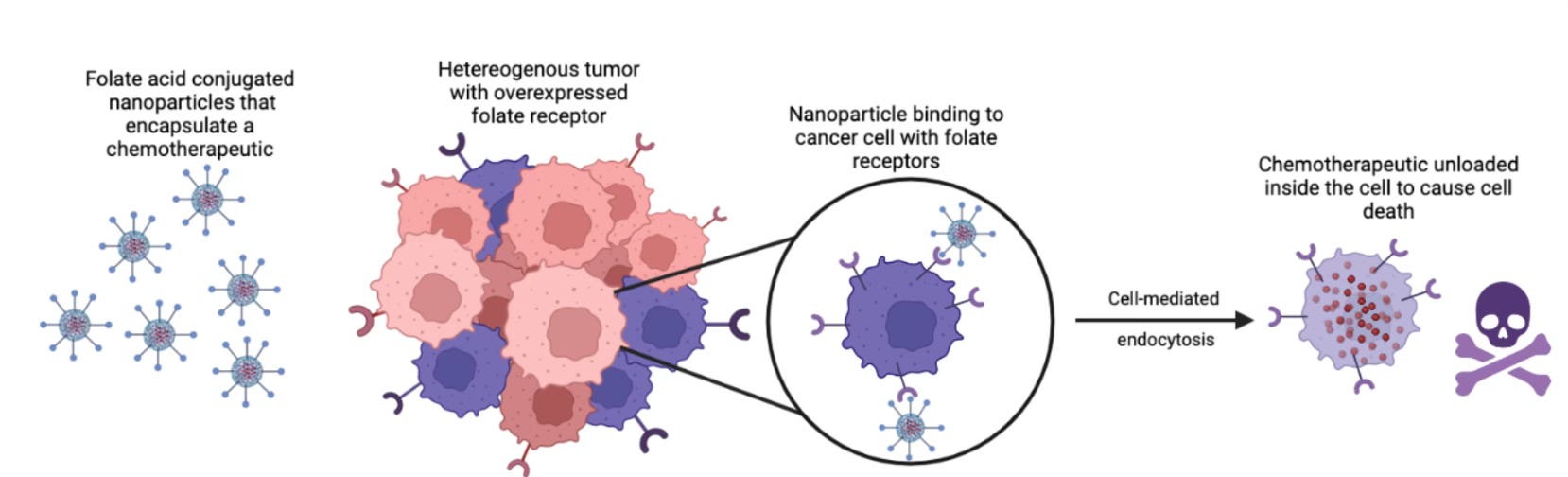
Example of gel-based therapies that can be utilized in chemotherapy.
Mes14ncsu, CC BY-SA 4.0 <https://creativecommons.org/licenses/by-sa/4.0>, via Wikimedia Commons
Hydrogel technology is one method that promises to ease how the body handles toxic drugs. From cancer chemotherapy to organ tissue, hydrogel technology promises to ensure less toxic therapies do not negatively impact vital human organs. While not a completely novel treatment regimen, hydrogel technology will make sure just enough of the therapeutic agent will reach the target organ. All too often, patients will feel overwhelmed and sickened by drug therapies meant to prolong their life. Moreover, the patient will feel as if these therapies are sucking the life from them. In some ways, cancer chemotherapies will do that. Cancer chemotherapies are some of the most toxic chemicals known to humanity—so not wanting to partake in it is understandable.
What is Hydrogel Technology?
Hydrogels first hit the medical market in 1971 with the introduction of soft contact lenses (Delbreil). More to the point, hydrogel is similar to a sponge—if you can envision a network of inteconnecting pores that can hold drugs that are in a water solution. This, in a nutshell, is what hydrogel technology is about. And much like a sponge, one can swab out the dirt from one’s innards by applying liberally to affected areas. However, there are differences between real sponges and hydrogels. A sponge must eventually be discarded; while a hydrogel is normally metabolized by the body. It leaves the chemotherapeutic agent in the appropriate treatment area with less waste or little damage to surrounding organs or tissue.
The target organ—such as lung tissue is exposed to a drug-loaded hydrogel. Whether through major surgery or performed in a clinic setting, the hydrogel is loaded with a chemotherapeutic agent and applied to the tumor bearing site (Correa). At times, larger tumors maybe excised and then chemotherapy follows with the drug-loaded hydrogel. This type of therapy limits the amount of toxic chemicals introduced to the body
Moreover, it needs to be borne in mind that the FDA has as yet to approve this therapeutic process. However, as FDA trials come to bear, this type of chemotherapy will eventually replace current methodologies. According to Santiago Correa and co-workers,
“Drug carriers (hydrogel therapies) aim to improve the efficacy of their cargo by delivering more of the active drug to its site of action within target tissues. Simultaneously, these carriers should reduce the exposure to the drug in off-target tissues, where it can cause toxic side effects“ (Correa).
Correa, Santiago, et al. "Translational applications of hydrogels." Chemical reviews 121.18 (2021): 11385-11457.
Delbreil, Philippe, Xavier Banquy, and Davide Brambilla. "Template-Based Porous Hydrogel Microparticles as Carriers for Therapeutic Proteins." ACS bio & med Chem Au 3.3 (2023): 252-260.
It would be nice to have something that actually targets the cancer. They would lose a lot of money if they did that wouldn’t they?