

Diabetes in Context
Effects of neuropathy are a treatable predicament.

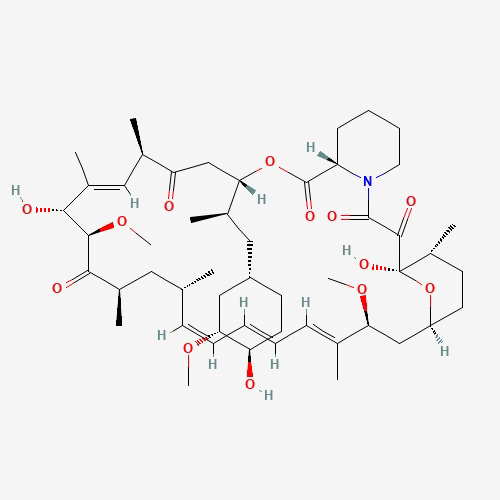
Rapamycin: a complex antibiotic that can be used to treat complications of foot ulcers in individucals suffering from diabetes.
National Center for Biotechnology Information. "PubChem Compound Summary for CID 5284616, Sirolimus" PubChem, https://pubchem.ncbi.nlm.nih.gov/compound/Sirolimus.
Diabetes is an illness that strikes large proportions of the world. While there are two known kinds of diabetes, both result in loss in lifespan and a diminshed quality of life. Oftentimes those affected by diabetes have a compromised kidney function and this can often develops into neuropathy. Neuropathy, if left untreated, can develop into foot amputations in extreme cases. However, researchers in India are addressing issues of neuropathy with augmenting bandages with rapamycin or tetracycline to treat foot ulcers. The two antibiotics are known to fight inflammation and thus aid the healing process in wounds.
The process goes something like this: wound healing occurs as a result three inter-related mechanistic details— 1) inflammation, 2) cellular proliferation, and 3) tissue re-modeling. Quoting the research paper: inflammation and tissue re-modeling are compromised in persons suffering diabetes. Namely, the immune system is compromised to the effect that inflammation must be eliminated to facilitate greater healing. To do this, the researchers used rapamycin. Rapamycin is known to both reduce inflammation and accelerate by counteracting neutrophils, and macrophages. The dosage suggested by the researchers was also relatively small— the exact dose is still unclear.
Raghavan, Jayashree Vijaya, et al. "Immunomodulatory Bandage for Accelerated Healing of Diabetic Wounds." ACS bio & med Chem Au 2.4 (2022): 409-418.